
LA Music Review | Art, stories and advice
Provocative, unconventional, influential!
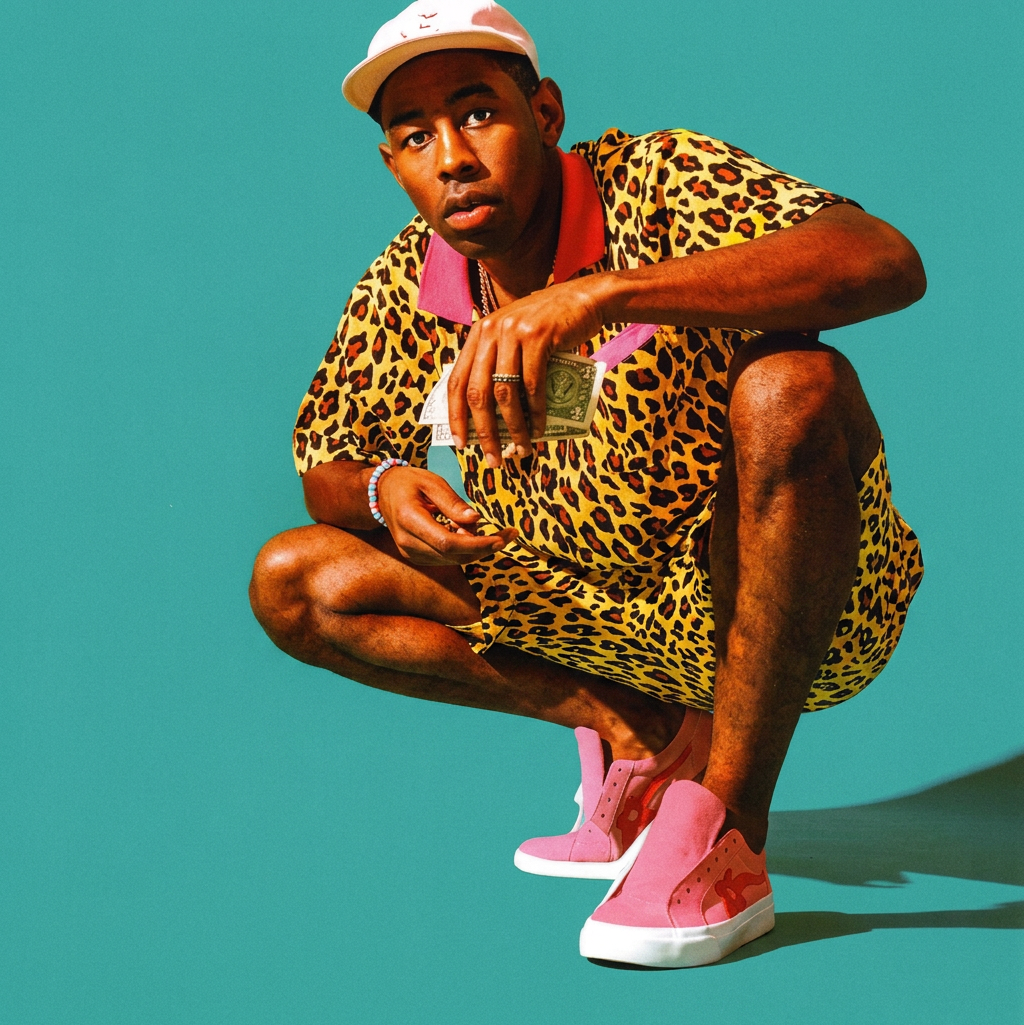
Tyler, The Creator has always been one of the most controversial figures in modern music. Known for pushing boundaries through his lyrics, visuals, and overall artistic direction, he continues to divide listeners worldwide. His song “Sugar on My Tongue” may sound catchy and harmless at first listen, but the music video tells a completely different story.
First of all, I really thought that “Sugar on My Tongue” was just an okay song. There was nothing particularly wrong with the lyrics or the way they were sung. The melody was decent, and I could understand why it became popular online. However, when I watched the music video, I honestly cringed and felt disturbed. One scene featured a naked woman, although blurred, dancing on top of a giant tongue. It immediately changed my entire perspective on the song.
Should artistic freedom allow creators to present shocking imagery if it makes audiences uncomfortable, or should there still be limits when millions of young people are watching?
What makes it even more concerning is the fact that this track became a viral dance trend on TikTok a year or two ago. Thousands of people were dancing to it without fully understanding what the song and visuals were actually portraying. Social media has a way of normalizing things so quickly that many viewers no longer stop to question the deeper message behind the content they consume.
This also made me curious about Tyler, The Creator himself and the kind of artist he has built his reputation around. Throughout his career, he has been known for creating music with explicit themes, offensive language, and controversial concepts that many people find unacceptable. He also became involved in public feuds with several artists over the years, including conflicts with Eminem and B.o.B, along with criticism from different public figures and media outlets. Much of the criticism surrounding Tyler comes from the shock value he often uses in both his music and public image.
At the same time, some fans argue that artists like Tyler simply reflect the realities, frustrations, and emotions of modern culture.
Is controversial art meant to corrupt audiences, or is it meant to challenge people and start conversations that society usually avoids?
Even though Tyler has won major awards, including Grammys, success and recognition should not automatically excuse harmful or disturbing creative choices. Awards do not grant artists a license to produce content that some audiences may find vulgar, offensive, or morally questionable.
Many fans also admire Tyler not only for his music but for his clothing brand and creative ventures. His influence in fashion and youth culture has strengthened his image as bold, fearless, and trendsetting. Because of this, his supporters often defend everything he creates without criticism, which can further encourage controversial behavior.
When fans constantly praise Tyler, The Creator’s music, lifestyle, and artistic image, it can also influence younger listeners who are just discovering his work. Some eventually become deeply absorbed in the culture surrounding his music without fully understanding its themes or impact. In some ways, this can negatively affect how young audiences think about creativity, language, and behavior.
I could honestly go on and on about how this generation seems to be getting worse when it comes to the media people consume daily. At the end of the day, parents still play a huge role in monitoring what their children listen to, watch, and absorb online. Music can influence emotions, behavior, and values more than many people realize.
Not every viral song or popular artist should automatically be celebrated without thought.
Listeners should learn to separate catchy music from harmful messaging and questionable visuals. Music is powerful, and with that power comes responsibility, both for the artist creating it and for the audience consuming it.


